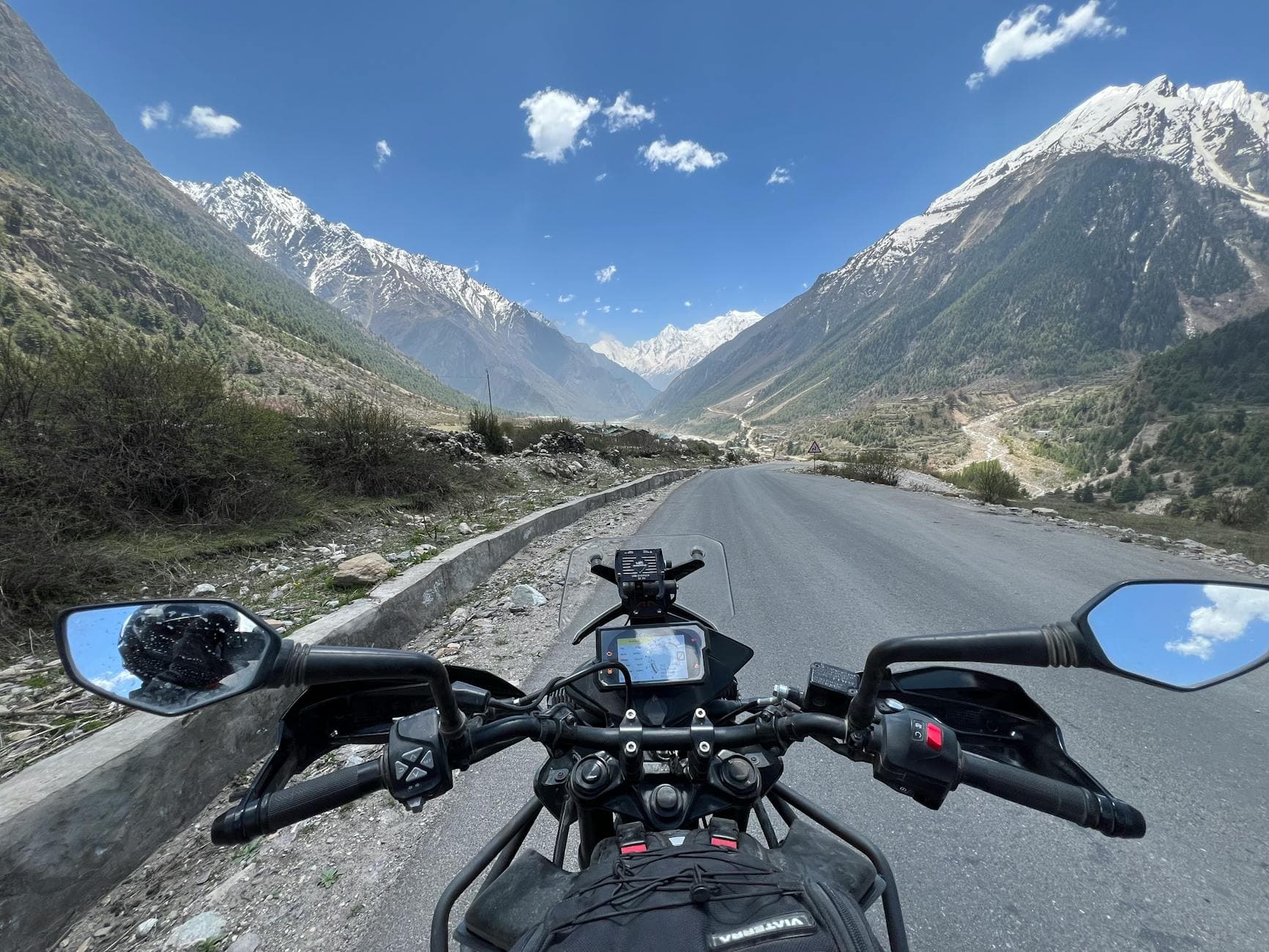
 Photo: Pixel9inja . / Pexels / Pexels License
Biker-Friendly Places to Stay in Pyrenees
11 biker-friendly stays in Pyrenees
The Pyrenees offer a different character of alpine riding from the Alps. The cols are lower on average — Tourmalet at 2,115 metres, Aubisque at 1,709 metres — but the mountain roads are narrower, the surfaces more varied, and the atmosphere wilder. There are no tunnels bypassing the main summits. Every pass must be ridden over the top. The combination of the French and Spanish sides, accessible via the handful of road crossings, adds a genuine frontier character that the more developed Alps lack.
Key Roads
The Col du Tourmalet is the most famous Pyrenean pass and the most often climbed in Tour de France history. The eastern approach from Sainte-Marie-de-Campan to La Mongie is steadily graded; the western descent to Luz-Saint-Sauveur is steeper and more dramatic. The summit itself is often windy and cold regardless of valley conditions. The combined Tourmalet–Aubisque loop via Argeles-Gazost is the Pyrenees' classic day ride.
The Col d'Aubisque west of the Tourmalet delivers the best sustained mountain scenery of the western Pyrenees. The D918 from Laruns climbs steadily before the road narrows significantly on the final approach. The Cirque du Litor below the summit is one of the most spectacular viewpoints in the French Pyrenees. On the western descent toward Argelès-Gazost, the road passes through the Cirque du Gourzy — rock walls rising vertically from the road edge.
The Col d'Aspin, smaller and less dramatic than the Tourmalet, provides an excellent quieter alternative to the main passes. The surface is consistently good and the road lighter than the busier cols.
The D918 running east–west along the high Pyrenean valleys — the Route des Pyrénées — links the major passes in sequence and is the backbone of any extended Pyrenean tour. Budget three to four days to ride it properly from Hendaye on the Atlantic to Banyuls-sur-Mer on the Mediterranean.
What to Expect
The Pyrenees receive more Atlantic weather than the Alps — expect rain regardless of season. The western passes near the Atlantic coast are wetter than the eastern Pyrenees near the Mediterranean. Road surfaces on the main passes are good but deteriorate on the smaller connecting roads. The narrowness of many Pyrenean mountain roads means that meeting a coach or campervan on a hairpin is a genuine possibility — use your horn on blind bends.
When to Go
June through September. July and August see significant Tour de France pilgrimage traffic — cyclists and their support vehicles — on the famous cols. This is not a reason to avoid the region but an early start (before 9am) makes the ascents significantly more enjoyable. September is the best month: the summer crowds thin, the weather is settled, and the mountains are at their most accessible.
Biker Facilities
The market towns of the Pyrenean valleys — Lourdes, Argeles-Gazost, Bagnères-de-Bigorre, Saint-Gaudens — all have accommodation with secure parking. The spa towns of the region (Barèges, Cauterets) offer comfortable mid-range options. Lourdes, despite its pilgrimage tourism, is an excellent practical base: well connected, full range of accommodation, easy access to the main passes.
On the road today? Find biker stays near your current location.
Near me →Know a biker-friendly spot we've missed in Pyrenees?
Add a spot