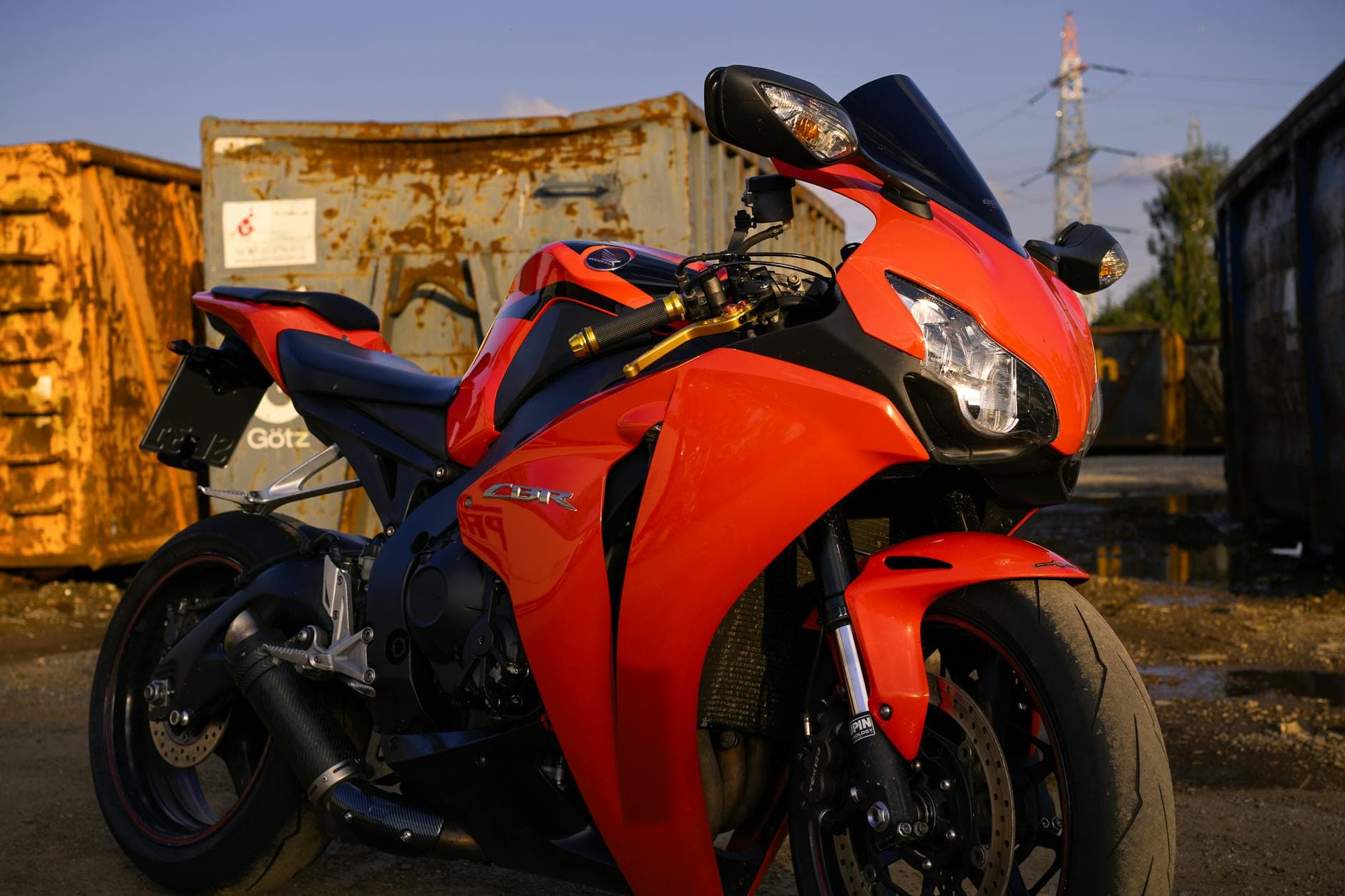
 Photo: Felix / Pexels / Pexels License
Germany — Eifel
Eifel & Nürburgring — The Biker's Mecca
Key highlights
- Nürburgring Nordschleife — 20.8km public toll road, open on Touristenfahrten sessions
- Ahr Valley vineyard roads — Germany's northernmost red wine region, beautiful river bends
- Daun volcanic Maare lakes — ancient craters filled with still water, eerie and photogenic
- Adenau — compact market town at the base of the Nordschleife, excellent biker pub culture
- Smooth, well-surfaced roads — Eifel tarmac quality is consistently high
The Nürburgring draws motorcyclists from across Europe in the same way Mecca draws pilgrims. The difference is that the Ring actually lets you ride it — at least on its public tourist days — and the roads that surround it through the Eifel highlands are as good as any in Germany. A 200km loop taking in the Nordschleife, the Ahr Valley, and the volcanic Maare lakes makes for one of the most complete day rides in central Europe.
The Nürburgring Nordschleife
The Nordschleife is 20.8 kilometres of racing circuit history that has been open to the public as a toll road since the 1970s. Touristenfahrten sessions — which run outside of racing and testing events — allow motorcyclists to pay a per-lap toll and ride the full circuit at their own pace, without official speed limits. Sessions are scheduled in advance and cancelled when the circuit is in use for events; always check the Ring's official calendar at nuerburgring.de before planning a lap.
To be direct about what the Nordschleife is and is not: it is an extraordinary piece of road engineering with 73 named corners, 300 metres of elevation change, and surfaces that vary from perfectly smooth to unsettlingly bumpy within a few hundred metres. It is not a place to discover your limits. The circuit has a serious incident record and riders who have not driven or ridden it before should approach the first lap with significant respect. A lap behind a more experienced rider or a taxi introduction session is a sensible investment if this is your first visit.
That said, simply riding the Nordschleife at a measured pace is worthwhile. The layout rewards study — each section has a character — and the sense of riding a piece of motorsport history is genuine. If the circuit is running an event, the surrounding roads more than justify the trip on their own.
The Eifel Loop
Start in Adenau, the market town that sits at the southern edge of the Nordschleife. Adenau has a concentration of motorcycle accommodation unlike almost any other town its size in Germany — biker guesthouses, specialist bike servicing, and a pub culture that is specifically oriented toward people who have just done a few laps and need to decompress. The town square is small and worth a look before you leave.
From Adenau head south-east on the winding roads through the Eifel toward the Ahr Valley. The descent into the Ahr is one of the region's best sequences — tight hairpins giving way to open river bends — and the valley floor road follows the Ahr west through the vineyards. This is Germany's northernmost red wine region and the combination of vine-covered slopes, narrow lanes, and the odd Roman ruin makes it feel significantly further south than it is. Altenahr, with its ruined hilltop castle, is a natural stop.
The Maare — volcanic lakes formed in ancient craters — are the geological highlight of the Eifel. The three main lakes near Daun (Meerfelder Maar, Gemündener Maar, and Weinfelder Maar) are accessible on quiet roads through dense forest. The lakes are unnervingly still and perfectly circular, the water dark green, the crater rims wooded. It is one of the stranger landscapes in western Germany and works as an excellent contrast to the motorsport energy of the Nordschleife.
The Roads
The Eifel's road quality is consistently high — the plateau roads are smooth, wide enough for a confident pace, and regularly resurfaced. The valley roads are narrower but equally well-maintained. Unlike some German touring regions, the Eifel has relatively few lorry routes cutting through the better riding roads, which keeps the rhythm of a loop intact.
The B258 and B257 carry you through some of the best sections. The back roads between Blankenheim and the Ahr valley are particularly good — rolling through farmland, dipping into wooded valleys, empty on most weekday mornings. Blankenheim itself, with its source-of-the-Ahr spring emerging inside the village, makes a slightly eccentric stop.
Location and Access
The Eifel's proximity to Cologne (one hour north), Belgium (30 minutes west), and Luxembourg (45 minutes south) makes it one of the most accessible major riding regions in Europe. Riders crossing from the UK via Calais or Dunkirk can reach the Eifel in a single day. Riders from the Netherlands have the Eifel as their nearest mountain-road destination. The Cologne-Bonn and Frankfurt airports serve the region if flying in and hiring a bike.
When to Go
April through October. The Nordschleife tourist day schedule varies by year and by event calendar — check the Ring's official site before planning a lap. The spring and autumn shoulder months offer the best road conditions without summer weekend crowds around the circuit. October brings excellent light through the beech forests and the vineyard colours in the Ahr valley are worth timing a trip for. The Eifel sits in a rain shadow and is generally drier than the western Belgian Ardennes but pack waterproofs regardless.
The Eifel and Nürburgring combination works as a standalone long weekend from anywhere in the Benelux, or as the western leg of a broader German tour that continues east to the Moselle, the Hunsrück, or the Sauerland.