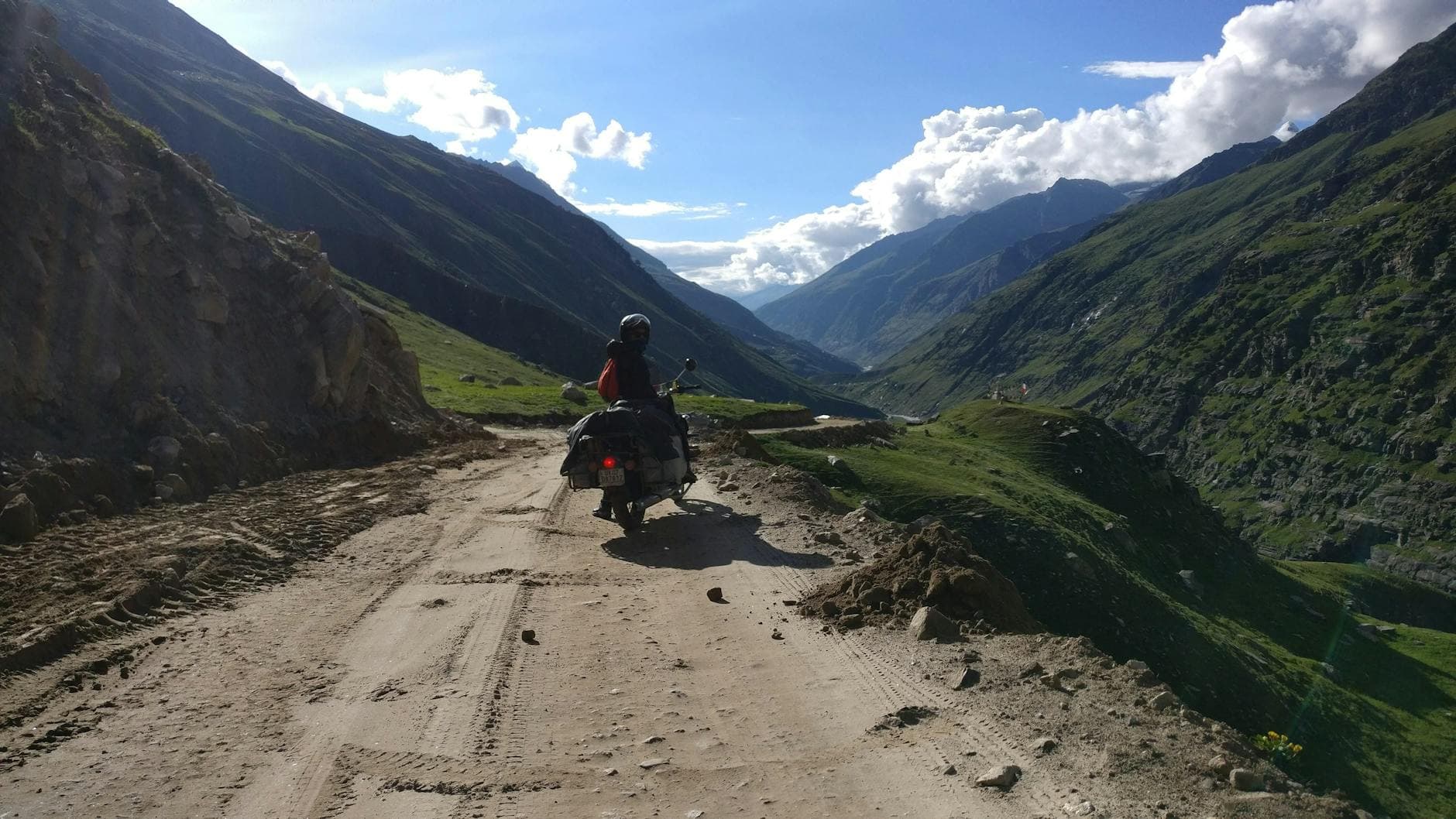
 Photo: Pixel9inja . / Pexels / Pexels License
Biker-Friendly Places to Stay in Austria
22 biker-friendly stays in Austria
Central Austria is the gateway to the Alps for riders approaching from Germany and the north. The region around Salzburg, the Salzkammergut lake district, and the northern Alpine foothills delivers world-class mountain riding within a manageable geography — you can base yourself in one town and access genuinely different character roads in every direction. The Grossglockner High Alpine Road, Austria's most famous motorcycle pass, sits within a two-hour ride for most central Austria bases.
Key Roads
The Grossglockner Hochalpenstrasse is the centrepiece. This 48-kilometre toll road climbs to 2,504 metres at the Edelweißspitze viewpoint and provides Austria's most concentrated alpine riding experience: sustained hairpin sequences, snowfields visible from the road into late summer, and views across to Austria's highest peak at 3,798 metres. The road is technically straightforward — wide, well-surfaced, and clearly signed — but it demands respect for weather. It closes in winter and the season runs roughly June to October.
The Salzkammergut lake district north of the Grossglockner provides a contrasting style of riding. The roads around Wolfgangsee, Attersee, and Traunsee loop through gentle lakeside terrain with the backdrop of limestone peaks. The B158 Wolfgangseebundesstrasse along the north shore of Wolfgangsee is rightly popular. These are not demanding roads but the scenery is exceptional and the quality of the lakeside towns — St Gilgen, St Wolfgang, Gmunden — makes them worth slowing down for.
The Dachstein circuit via Gosau and the Hallstatt valley road delivers the region's most dramatic single stretch of riding. The road into Hallstatt above the lake is steep, tight, and rewarding; the village itself is one of the most photographed in Austria.
What to Expect
Alpine weather is unpredictable at altitude. The Grossglockner road can be in fog or experiencing rain while the valleys below are sunny. Check the road cameras before the climb and carry full waterproofs. The lake district roads are gentler in character and more forgiving in bad weather. Road surfaces throughout central Austria are to a high standard — Austrian road maintenance is among the best in Europe.
When to Go
June through September is the reliable window. The Grossglockner opens in late May on most years but weather above 2,000 metres can be severe until mid-June. July and August bring the heaviest tourist traffic on the pass — consider an early morning start to beat the camper van convoys. September and early October offer lighter traffic and exceptional alpine light before the autumn weather closes in.
Biker Facilities
Biker-friendly accommodation is well established in the region. Zell am See, Bruck an der Glocknerstrasse, and Kaprun are the natural bases for Grossglockner touring. The lake district towns offer more variety. Austrian guesthouses typically provide secure motorcycle parking and the breakfast culture — substantial, fresh, included in the room rate — suits riders planning long days. Petrol is widely available; pay attention to fuel planning above 1,500 metres where stations are scarcer.
On the road today? Find biker stays near your current location.
Near me →Know a biker-friendly spot we've missed in Austria?
Add a spot